
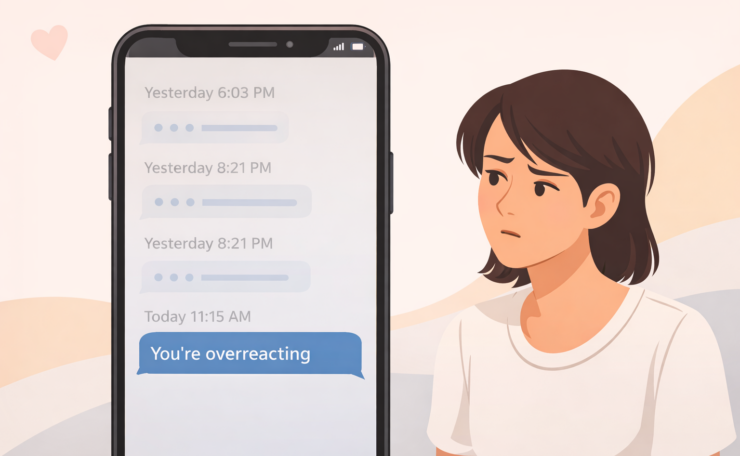
Ghostlighting is the latest toxic dating behavior making headlines. It combines ghosting with the emotional manipulation of gaslighting, leaving someone confused, doubting themselves, and questioning what actually happened.
Instead of simply disappearing, the person fades out only to return and subtly shifting blame. They might deny pulling away. They may say you are “overreacting.” They leave just enough interaction to keep you uncertain, but never enough to move forward.
The result is emotional whiplash.
As dating apps scale globally, this pattern is becoming more common. But it is not inevitable. It thrives in environments without structure, accountability, or clear expectations.
That is exactly where Swept Dating changes the equation.
What Is Ghostlighting?
Ghostlighting is a hybrid behavior:
- Ghosting: abrupt withdrawal of communication.
- Gaslighting: manipulating someone into questioning their perception of reality.
In ghostlighting, a person reduces communication or disengages, only to return and deny it is happening.
Examples:
- “I’ve just been busy.” (after disappearing for days repeatedly)
- “You’re reading too much into it.”
- “I never said I was pulling away.”
The other person senses the shift but is made to feel irrational for noticing it.
This is not simple miscommunication. It is avoidant behavior paired with emotional deflection.
Why Ghostlighting Feels Worse Than Ghosting
Ghosting hurts. But it is clear.
Ghostlighting erodes trust in a slower, more destabilizing way.
Here is why:
1. It Creates Cognitive Dissonance
Your instincts say something changed. The other person says nothing changed. That internal conflict is draining.
2. It Extends Uncertainty
Ghosting ends the story. Ghostlighting keeps it alive in a half-lit state.
3. It Shifts Blame
Instead of owning withdrawal, the ghostlighter reframes the issue as your insecurity.
Research from the American Psychological Association shows that ambiguous rejection activates stress responses similar to direct social exclusion. The uncertainty prolongs the stress cycle.
In short, ghostlighting keeps people emotionally suspended.
Why Other Modern Dating Apps Enable Ghostlighting
This behavior flourishes in unstructured digital environments.
Most swipe-based apps:
- Have no expectation framework.
- Allow unlimited parallel conversations.
- Provide no communication accountability.
- Offer no closure prompts.
There is zero friction for disappearing. There is zero visibility into behavioral patterns.
When platforms treat conversations as disposable, users begin to act that way.
Ghostlighting is not just an individual flaw. It is often a system design problem.
The Psychology Behind It
Ghostlighting often stems from:
- Avoidant attachment styles.
- Conflict avoidance.
- Fear of confrontation.
- Desire to keep options open.
Instead of ending things cleanly, someone tries to preserve optionality while minimizing discomfort. That creates emotional collateral damage.
Intentional dating demands a different standard.
Why Ghostlighting Cannot Thrive on Swept
Swept Dating was built specifically to address ghosting culture. Ghostlighting, by extension, collapses under the same accountability framework.
Here is how.
1. Structured Conversation States
Swept uses defined conversation states:
- Ready
- Active
- At Risk
- Dormant
- Ghosted
- Concluded
If one person stops responding, the system detects inactivity. Gentle reminders trigger. If silence continues, the conversation transitions visibly.
There is no ambiguous fade.
The behavior is tracked. The pattern is surfaced.
Ghostlighting depends on plausible deniability. That disappears when the platform records engagement patterns.
2. Built-In Closure Tools
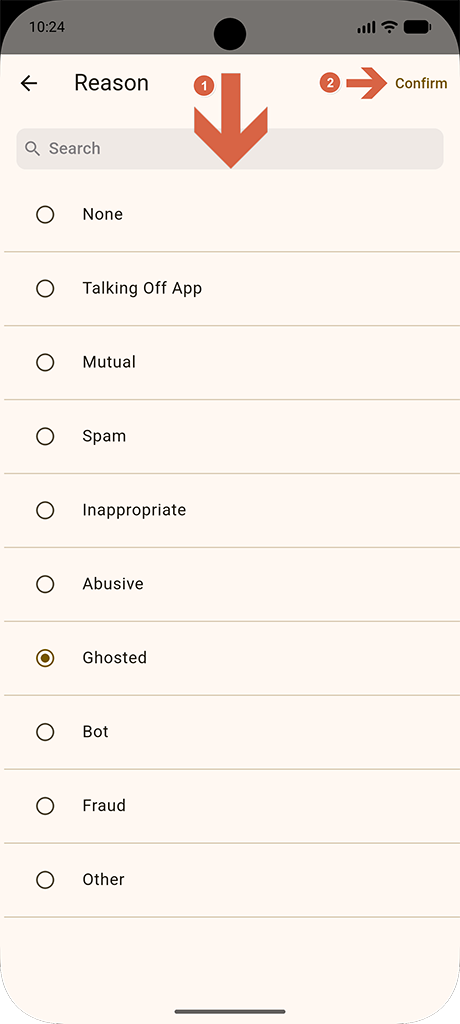
Users can formally end a conversation with reason codes such as:
- Mutual
- Talking off app
- Not a match
- Ghosted
- Other
Ending a conversation becomes normalized behavior.
That reduces emotional avoidance.
When closure is a structured action, you do not need manipulation to exit.
3. Anti-Ghosting Accountability
Swept Dating’s system flags repeat ghosting behavior over time. Users who repeatedly leave conversations unresolved build a behavioral pattern.
Patterns influence platform trust.
This shifts incentives. People show up differently when behavior has consequences.
Ghostlighting requires invisibility. Swept removes invisibility.
What To Do If You Suspect Ghostlighting
If you believe you are experiencing ghostlighting:
- Trust behavioral patterns, not words alone.
- Notice consistency gaps.
- Avoid chasing clarity from someone unwilling to give it.
- Close the conversation if respect declines.
Ambiguity rarely resolves itself.
Clarity protects your time.
The Future of Dating: Structured, Not Chaotic
Ghostlighting is not a random trend. It is a symptom of unstructured digital dating ecosystems.
Intentional dating platforms are correcting that.
When systems:
- Track engagement,
- Normalize closure,
- Encourage transparency,
- Verify identity,
toxic patterns lose oxygen.
Swept was designed around that premise.
If you are tired of ghosting, tired of confusion, and tired of emotional gray zones, there is another way to date.
Download Swept Dating and experience intentional dating built for adults who value clarity.
👉 Start here: https://swept.dating/start